Empowering Change: The Power of Social Impact Storytelling
Welcome to a journey where words wield the power to ignite change and shape communities. In this blog post, we delve into the profound influence of storytelling in driving social impact. From understanding how narratives can transform perceptions to exploring the essence of personal stories in creating lasting change – we unravel the transformative force that storytelling holds in today's world. Discover how authentic storytelling can inspire action, amplify voices, and empower communities to rise above challenges and champion causes. Join us as we examine the art of storytelling as a tool for social change, and navigate through the intricate tapestry of measuring success in spreading impactful narratives. Get ready to be inspired and equipped to harness the power of storytelling to make a difference that resonates far and wide
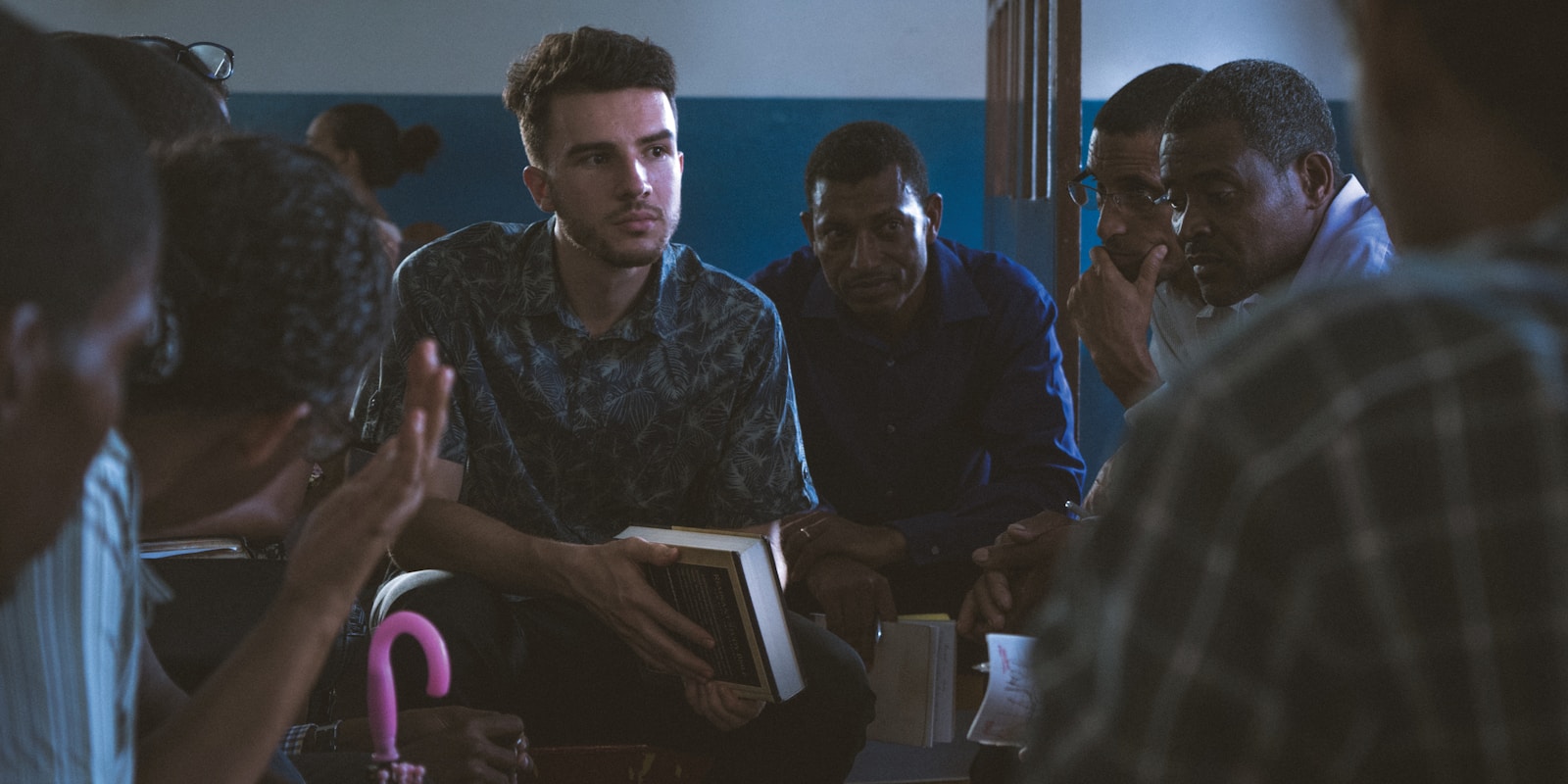
Understanding the Impact of Storytelling in Driving Social Change
Storytelling has always been a powerful tool for connecting with audiences on an emotional level and inspiring action. When it comes to driving social change, the impact of storytelling becomes even more profound. Social impact storytelling is a strategic approach to sharing narratives that aim to raise awareness, inspire empathy, and ultimately drive positive change in society. One of the key reasons storytelling is so effective in driving social change is its ability to humanize complex issues. By sharing real-life stories of individuals or communities impacted by social issues, storytelling puts a human face to statistics and news headlines. This human connection can evoke empathy and compassion in audiences, compelling them to take action or support causes they may have otherwise overlooked. Moreover, social impact storytelling has the power to educate and inform audiences about pressing social issues. Through compelling narratives, storytelling can break down complex topics into digestible and relatable stories that resonate with a wide range of people. By making important issues more accessible and engaging, storytelling can spark conversations, raise awareness, and encourage critical thinking among the public. Furthermore, storytelling can help to challenge existing narratives and stereotypes, offering a more nuanced and authentic perspective on social issues. By amplifying the voices of marginalized communities and individuals, social impact storytelling can empower those directly affected by social injustices to share their experiences and advocate for change. This can be particularly impactful in shifting societal attitudes, dismantling prejudices, and promoting inclusivity and diversity. In essence, social impact storytelling is a transformative force that has the potential to drive meaningful social change by connecting people, fostering empathy, raising awareness, and empowering individuals to take action. By harnessing the power of narratives to inspire, educate, and mobilize audiences, storytellers can play a crucial role in building a more equitable, compassionate, and just society
Leveraging Personal Narratives for Social Impact
Social impact storytelling is a powerful tool that leverages personal narratives to create positive change in society. By sharing stories that highlight the experiences, struggles, and triumphs of individuals, organizations can connect with their audience on a deeper level and inspire them to take action. These personal narratives have the ability to humanize complex social issues, making them more relatable and compelling to a wider audience. One of the key benefits of leveraging personal narratives for social impact is the emotional connection it fosters. When people hear a compelling story that resonates with them on a personal level, they are more likely to feel a sense of empathy and compassion towards the cause being highlighted. This emotional connection can be a powerful motivator for action, whether it's donating to a cause, volunteering their time, or advocating for change. In addition to creating emotional resonance, social impact storytelling also has the potential to raise awareness and educate the public about important social issues. Personal narratives have a way of shining a spotlight on marginalized voices and bringing attention to issues that may not always receive mainstream coverage. By sharing stories that amplify these voices, organizations can help spark conversations, challenge stereotypes, and drive meaningful change in their communities. Furthermore, leveraging personal narratives for social impact can help break down barriers and build bridges between different communities. By showcasing the diverse range of human experiences, stories have the power to foster understanding, empathy, and solidarity among people from varying backgrounds. This can be particularly impactful in promoting social cohesion, fostering inclusivity, and promoting diversity and equity within society. In conclusion, social impact storytelling is a dynamic and transformative tool that can drive change by leveraging the power of personal narratives. By sharing stories that touch hearts, spark discussions, and inspire action, organizations can make a meaningful difference in the world and create a more compassionate and just society for all
Inspiring Action Through Authentic Social Impact Storytelling
In today's digital age, where attention spans are short and content is constantly bombarding us, it's becoming increasingly important for organizations to authentically connect with their audience through storytelling. Social impact storytelling goes beyond just sharing a narrative - it aims to inspire action, provoke thought, and ultimately drive positive change. By weaving together compelling stories that showcase the impact of a company's social initiatives, organizations can connect with their audience on a deeper level. Authenticity is key in this process. Audiences can sniff out insincerity from a mile away, so it's crucial for brands to be genuine in their storytelling approach. When stories are told truthfully and from the heart, they have the power to evoke emotions, spark conversations, and mobilize individuals to take action. One of the greatest strengths of social impact storytelling is its ability to humanize complex issues. By putting a face to the cause and sharing personal stories of those impacted, organizations can create empathy and understanding among their audience. This emotional connection is often what prompts people to take action, whether it's making a donation, volunteering their time, or advocating for change. Furthermore, social impact storytelling has the power to break down barriers and bring people together. Through the power of storytelling, organizations can bridge divides, foster inclusivity, and unite communities around a common goal. By amplifying the voices of those affected by social issues, storytelling can empower individuals to come together, create change, and make a real difference in the world. In conclusion, social impact storytelling is not just about sharing a feel-good story – it's about inspiring action and driving meaningful change. By leveraging the power of storytelling to authentically connect with audiences, organizations can ignite a passion for social good, spark conversations, and ultimately empower individuals to make a tangible impact in their communities and beyond
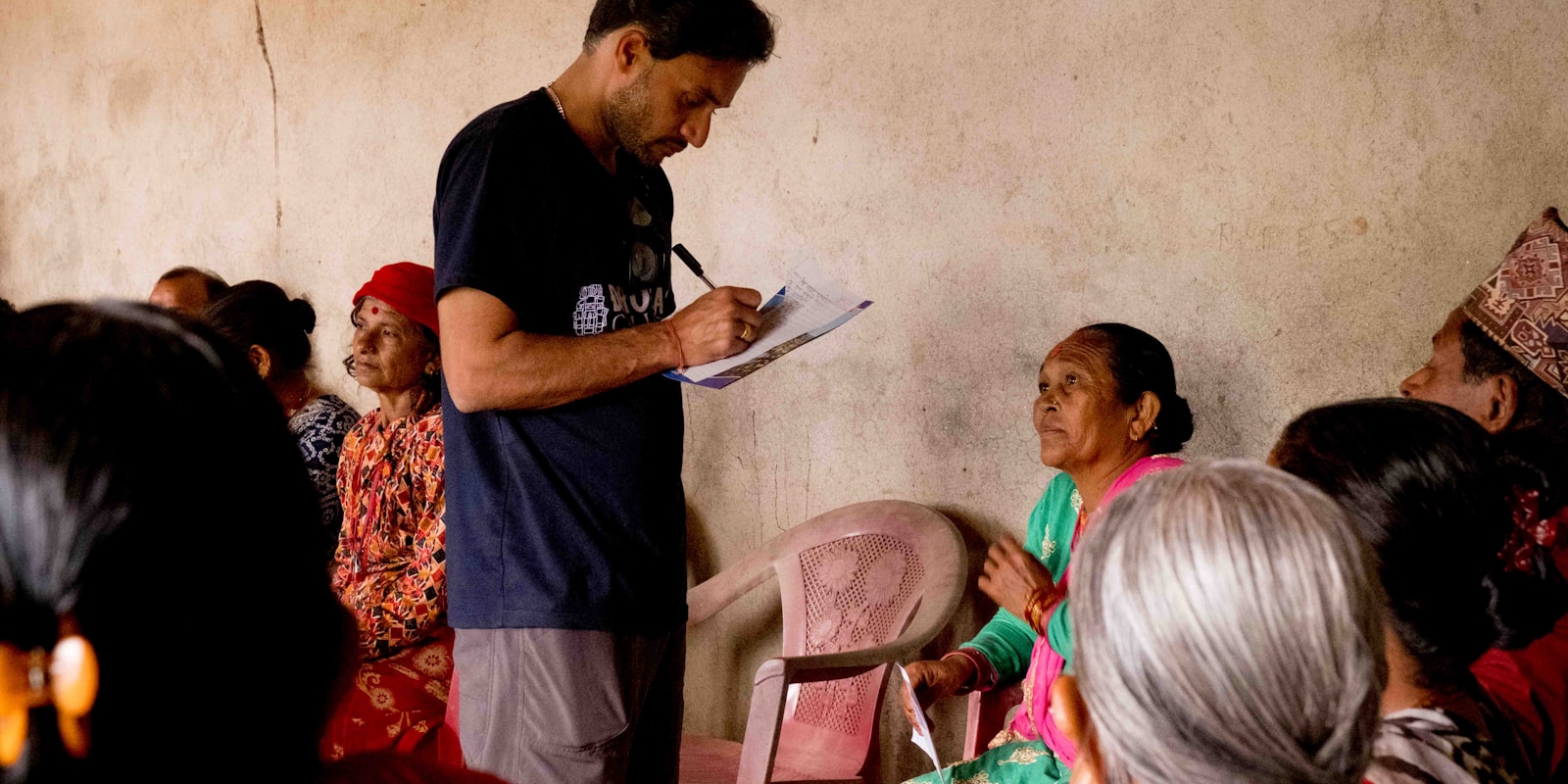
Amplifying Voices: The Role of Storytelling in Empowering Communities
Storytelling has been a powerful tool throughout history, connecting people through shared experiences, emotions, and values. When it comes to creating social impact, storytelling plays a crucial role in giving a voice to marginalized communities and empowering them to affect change. By sharing stories that highlight the struggles, resilience, and triumphs of individuals and communities facing adversity, social impact storytelling shines a light on issues that might otherwise go unnoticed. These narratives have the power to evoke empathy, inspire action, and spark empathy in those who might be unaware of the challenges faced by others. Through storytelling, communities can amplify their voices and advocate for the changes they wish to see in the world. By sharing their stories, individuals can break down barriers, challenge stereotypes, and create a deeper understanding of the issues that impact their lives. This process of sharing personal narratives not only empowers individuals to reclaim their narratives but also fosters a sense of unity and solidarity within communities. Furthermore, storytelling has the ability to humanize complex social issues, making them more relatable and tangible for a wider audience. By putting a face and a story to statistics and policies, social impact storytelling engages people on a deeper level, encouraging them to reflect on their own beliefs and values. In conclusion, social impact storytelling is a powerful tool for empowering communities and creating positive change. By amplifying voices, sharing experiences, and fostering empathy, storytelling has the potential to bridge divides, inspire action, and drive meaningful transformation in society
Measuring Success: Evaluating the Effectiveness of Social Impact Storytelling
Social impact storytelling is a powerful tool for organizations and individuals looking to create positive change in the world. By sharing stories that highlight the impact of their work, these changemakers can inspire action, raise awareness, and foster connections with their audience. However, in order to ensure that social impact storytelling is truly making a difference, it is important to measure its effectiveness. One way to evaluate the effectiveness of social impact storytelling is to set clear goals and objectives from the outset. By defining what success looks like for a particular storytelling campaign, organizations can track their progress and determine whether they are meeting their targets. This may involve setting quantitative goals, such as increasing website traffic or donations, as well as qualitative goals, such as changing perceptions or attitudes. Another key element of evaluating the effectiveness of social impact storytelling is to collect data and feedback from the audience. This can be done through surveys, interviews, focus groups, or by analyzing social media metrics. By listening to the stories that resonate most with their audience, organizations can gain valuable insights into what is working well and what can be improved upon in future storytelling efforts. Moreover, measuring success in social impact storytelling also requires considering the long-term impact of these stories. Are they leading to sustained behavior change or advocacy efforts? Are they creating a ripple effect that extends beyond the initial audience? By tracking outcomes over time, organizations can better understand the true impact of their storytelling efforts and make adjustments as needed. In conclusion, evaluating the effectiveness of social impact storytelling is essential for creating meaningful change. By setting clear goals, collecting data and feedback, and considering long-term outcomes, organizations can ensure that their stories are not only heard but also make a lasting difference in the world
Conclusion
In conclusion, we have explored the influential realm of social impact storytelling and the remarkable power it holds in sparking transformation. By delving into the significance of narratives in reshaping perceptions and understanding the essence of personal stories in driving change, we have uncovered how authentic storytelling serves as a catalyst for action and empowerment. Through the art of storytelling, we have witnessed the ability to amplify voices, inspire communities, and champion causes that elevate society. As we navigate the intricate tapestry of measuring success in spreading impactful narratives, one thing remains clear - the undeniable impact of storytelling in creating a ripple effect of positive change that resonates far and wide. Let us embrace the power of storytelling as a force for good, empower change, and build a future where every story has the potential to make a difference